Tarot is a fixed system of 78 cards, 22 Major Arcana and 56 Minor Arcana in four suits, with meanings you learn over time. Oracle cards have no fixed system. Every deck is different and every card speaks for itself, so you can use one the day you open it. Tarot rewards study. Oracle cards reward listening.
It’s one of the first questions people ask me when they want to start working with cards, and it usually comes with a worry attached. They’ve heard tarot is complicated, they’re not sure oracle cards are serious, and they don’t want to buy the wrong thing.
I own over 30 oracle decks, and I’ve been pulling cards since my twenties. Neither one is better. They do different jobs, and the right one is the one that fits how you want to listen.
The difference, in plain terms
A tarot deck is a system. Every traditional deck has the same 78 cards: 22 Major Arcana, which carry the big themes of a life, from The Fool to The World, and 56 Minor Arcana, which carry the everyday, split into four suits of Cups, Wands, Swords and Pentacles. The art changes from deck to deck, but the structure and the meanings stay the same. Tarot began as a card game in fifteenth century Italy and has been read for guidance for a few hundred years, so it comes with a deep, shared language.
An oracle deck has no fixed structure at all. It can have 30 cards or 60. Each one is made by its own creator around its own theme, angels or animals or the moon or, in my case, the higher self. Most oracle cards carry their message right on the card, so you don’t need to know anything before you pull one.
What tarot is good for
If you love systems, tarot will reward that part of you, the part that looks for the structure. Because the structure never changes, you build real fluency over time. You start to recognise the cards like old friends, and spreads like the ten card Celtic Cross can map out a situation in a lot of detail.
Tarot takes a little more commitment, and the time to learn it. Many people spend their first year looking up every card. It’s a beautiful practice if you enjoy that kind of study. For some, it sounds like homework, and that’s worth noticing too.
What oracle cards are good for
Oracle cards are quick and direct. You can open a deck, pull a card, and receive something useful on the very first day, which is why I usually suggest them for anyone who’s new to working with cards.
They’re also gentler. Most oracle decks are written to encourage and to ask, rather than to describe what’s coming. That makes them ideal for a daily practice: one card in the morning, one question to carry through your day, and ten quiet minutes to hear yourself before everything gets loud.
The thing nobody tells you about either one
For a while, most of my 30 decks were collecting dust, and it took me some time to admit why. I’d started using them to outsource my life. I was asking the cards what to do because I was afraid of the responsibility of my own power.
Any deck can become that, tarot or oracle. The question isn’t which kind of card you hold. It’s whether the card sends you outward, looking for someone or something to tell you what to do, or inward, back to what you already know.
So when you choose a deck, look for a mirror rather than a map. A map tells you where to go. A mirror shows you what’s already there, and trusts you to take it from there.
How to choose
Ask yourself what you actually want from the cards. If you want to learn a rich, old system and build a skill over years, start with tarot. If you want a simple daily practice that helps you hear your own intuition, start with an oracle deck.
Then let the art choose for you. Look at the images and notice which ones you feel something about. A deck you’re drawn to is a deck you’ll actually use, and the one you use is the one that helps.
And you don’t have to choose forever. Plenty of people read tarot and keep an oracle deck beside it, pulling a single oracle card after a tarot spread as the theme or the advice that sits over everything else.
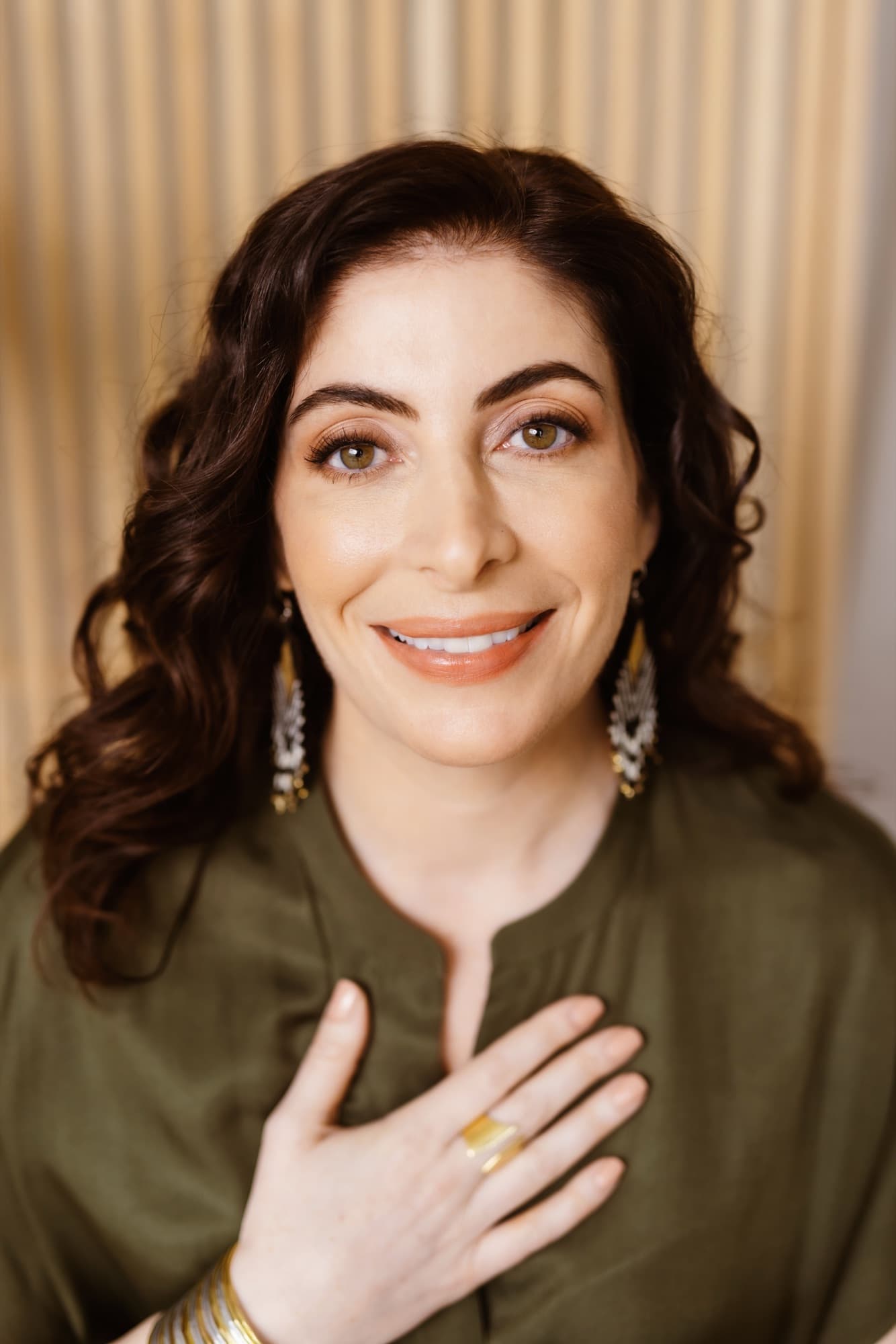
Jennifer Spencer is a medium and intuitive guide, working from Toronto, Ontario and Sedona, Arizona. She left a VP job at The Body Shop to claim her gifts, and now helps women trust what their higher self already knows and turn it into real change in their work and life. With Steve Fernandez, she made the Higher Self Oracle Deck.
Questions people ask
- What is the difference between oracle cards and tarot cards?
- Tarot is a fixed system of 78 cards, with 22 Major Arcana and 56 Minor Arcana in four suits, and meanings that stay the same from deck to deck. Oracle cards have no fixed structure. Every deck is different, and each card usually carries its own message, so there is nothing to learn first.
- Are oracle cards easier than tarot?
- For most beginners, yes. You can use an oracle deck on the first day, because the message is on the card. Tarot rewards years of study and takes longer to read with confidence.
- Can you use oracle cards and tarot together?
- Yes. Many people pull a tarot spread and then one oracle card to sit over the whole reading, as its theme or its advice. Others keep tarot for big questions and use an oracle deck for a daily pull.
- Are oracle cards good for beginners?
- Yes. They are the simplest way to start working with cards. Ask one real question, pull one card, and notice the first thing you feel before you think about it.
- Can oracle cards predict the future?
- That is not what they are for. Oracle cards work as a mirror. They help you hear what your intuition already knows about where you are and what you need now, so you can choose your next step yourself.
Keep reading
How do you use oracle cards?
How to use oracle cards, from a medium working from Toronto and Sedona: the question to ask, how many cards to pull, and what to do with the message.
How do I connect with my higher self?
Your higher self is the version of you that already knows, without the doubt, the fear or the ego. Jennifer Spencer on what changed when she listened.
How do I know if I am on the right path?
Comfort is the wrong test. Jennifer Spencer on the three signs you are heading the right way, and why the right path so rarely feels like it at the time.
If you want the mirror, not the map
The Higher Self Oracle Deck has 53 cards, each with a truth, an insight and one question on the back. No guidebook to flip through and nothing to memorise.
See the deckMessages From A Medium
Every couple of weeks I send stories and ideas for moving your life forward. Free, and you can leave whenever you like.
Sign up